 United Nations
 Strait of Hormuz
 Middle East
Conflict
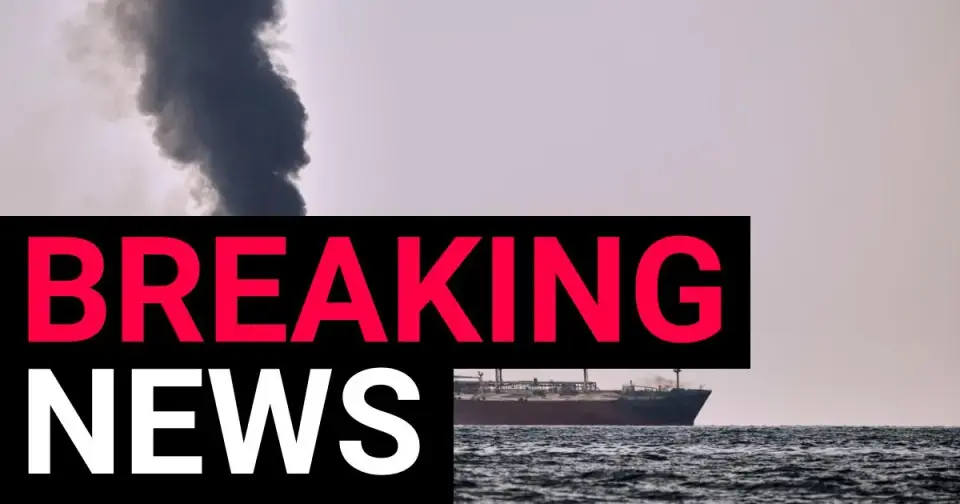
Iranian attacks in Strait of Hormuz hit highest levels since conflict began
12 outlets9 countrieslatest


Saturday, November 28, 2026
Saturday, November 28, 2026
Saturday, November 28, 2026
Business
Spectrum of the outlets0 rated
One entry per outlet; its other reports fold under it. 18 reports from 16 outlets.
Order:Latest reports firstIn the order outlets first reportedFrom left to rightA to ZOwn reporting first
 Caribbean News GlobalUnrated
GENEVA, Switzerland - South–South container trade grew faster than any other major container trade route in 2025, according to the latest Review of Maritime
 europeansting.comUnrated
Other stories of the last two weeks on the same subjects, closest first.
Conflict
12 outlets9 countrieslatest
Ownership: Wikidata (CC0). Feed list partly from Kagi News (MIT). Spectrum estimates: Berkman Klein Center (CC BY 3.0); each country's own spectrum: Reuters Institute Digital News Report 2022 (CC BY 4.0). State and public media: State Media Monitor, MJRC (CC BY 4.0). Overviews are written by AI and checked by a second model; sections are set by AI.
© 2026 STORESWIKI LLC
Maritime trade stagnates amid geopolitical uncertainty The European Sting - Critical News & Insights on European Politics, Economy, Foreign Affairs, Business & Technology - europeansting.com United Nations News -
The UN trade and development agency says geopolitical uncertainty is disrupting major shipping routes and chokepoints, forcing vessels to undertake longer and more expensive journeys.
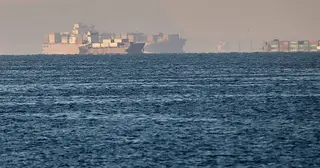
The agency projects a 3.2% recovery in 2027, but says simultaneous pressure on four major routes is raising costs, with least-developed and small island economies especially exposed.

GENEVA, Switzerland — Global maritime trade -- which carries more than 80 percent of the world's goods -- is set to stagnate in 2026 due to shipping disruptions and trade uncertainties arising from the war in the Middle East, the United…
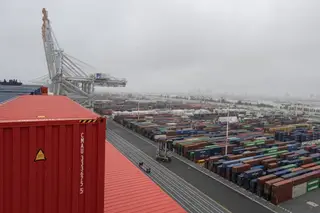
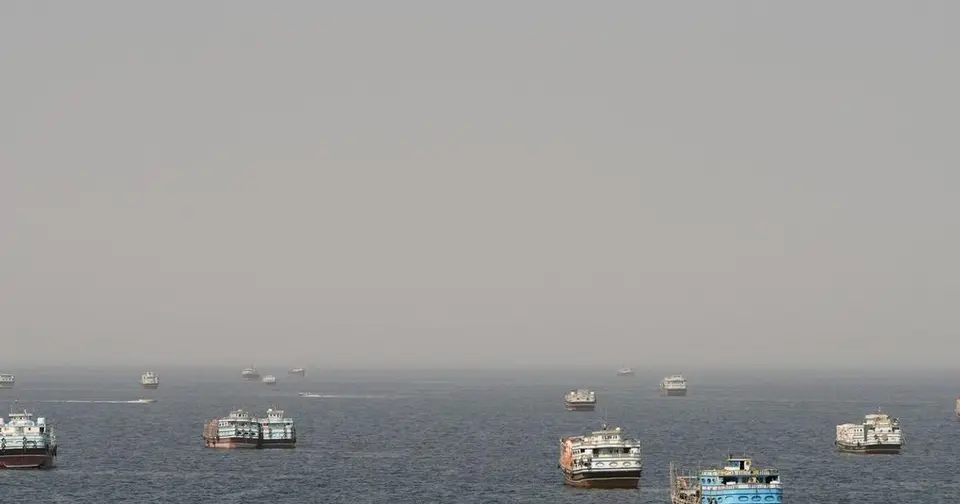
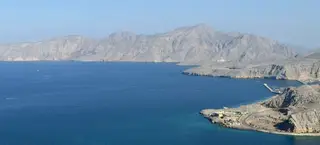
The Strait of Hormuz, which carries around one fifth of the world's oil supplies, has been among the worst affected following the escalation of conflict.
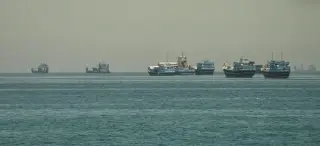
GENEVA, (Switzerland): Global maritime trade — which carries more than 80 percent of the world’s goods — is set to...
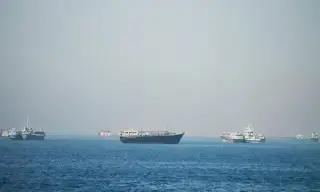
Ongoing disruptions to maritime traffic through the Strait of Hormuz along with the spread of the conflict to the Red Sea have complicated trade.
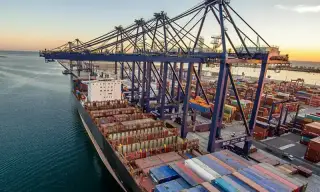
Global maritime trade -- which carries more than 80 percent of the world's goods -- is set to stagnate in 2026 due to shipping disruptions and trade uncertainties…
Global maritime trade—which carries more than 80% of the world's goods—is set to stagnate in 2026 due to shipping disruptions and trade uncertainties arising from the war in the Middle East, the United Nations said Thursday.
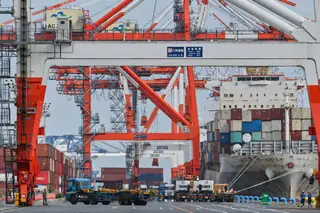
UNCTAD warns global shipping stalls in 2026 amid disruptions, while India gains momentum in ports, containers, and ship-related growth.
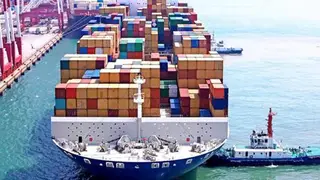
Seaborne trade that underpins the global economy continues to slow, while disruption from conflict and climate-related factors is hitting least-developed economies and small island nations hardest, UN economists said on Thursday.
Who controls each outlet at the top of its chain of owners in Wikidata (CC0). Shareholders without a majority do not count.
How the State Media Monitor (2026, CC BY 4.0) classifies the state and public media covering this story: who funds and governs them, and who steers what they report. More
Measured on the reports of the last 30 days of the 16 outlets here with at least 20 reports. Working habits, not verdicts: a correction note is good practice, and a wire copy can be accurate.
Reports they wrote themselves99%
Median share of each outlet’s reports that are not wire copies or near-copies of another report.
Headlines changed after publication6%
Median share of each outlet’s re-read reports whose headline changed later.
Pages removed after publication0%
Median share of each outlet’s re-read reports that were gone when read again.
Outlets with a correction note21%
Share of outlets that added a correction or editor’s note to at least one report.
Outlets that broke a story100%
Share of outlets that were first to report at least one story with three or more outlets.
Medians across outlets, so one big outlet does not stand for the rest; a side needs 3 outlets with the data (— when it has fewer). Each outlet's own numbers are on its source page. How we measure
How the 16 outlets here with data make money, from their own pages of the last 30 days and their ads.txt files. It says how, not how much.
Sell advertising100%
Outlets whose ads.txt file names companies allowed to sell their ad space, or whose pages carry ad code on at least a fifth of the pages read. Out of 15 outlets with the data.
Paywall or meter20%
Outlets whose reports say they are behind a paywall or meter on at least a fifth of the reports read. Out of 5 outlets with the data.
Ask readers to give or join6%
Outlets asking for donations, contributions or memberships on at least a fifth of their pages. Out of 16 outlets with the data.
Sponsored-link boxes25%
“Around the web” boxes of paid links (Taboola, Outbrain and the like) on at least a fifth of their pages. Out of 16 outlets with the data.
Links marked as paid6%
Links the outlet marks as paid placements (rel="sponsored": casinos, partners, advertisers) on at least a fifth of their pages. Out of 16 outlets with the data.
Commission links0%
Shopping links that pay the outlet a commission (Amazon Associates, Skimlinks and the like) on at least one page in twenty. Out of 16 outlets with the data.
State or public media25%
Outlets the State Media Monitor counts as state or public media: funded or controlled by a state, or both. Out of 16 outlets with the data.
Shares of the outlets with the data; a side needs 3 (— when it has fewer). Each outlet’s details are on its source page, and the coverage list can leave out outlets that sell advertising. How we read this
Reports per 6 hours, by side, from the first report on.
first report37 h later
Outlets by the country they are based in, 11 in all.
Outlets placed by how their audience leans compared with the people of their own country, so a UK outlet is measured against UK politics, not American. The data
United Kingdom1 outlet · Reuters Institute, 2022
No audience research with a licence we can use yet for Pakistan (4), United Arab Emirates (1), Congo - Brazzaville (1), India (1), Japan (1), Kenya (1), Philippines (1), Singapore (1) and 1 more countries.
Headlines from outlets based outside Pakistan, where most of the coverage comes from: one per outlet, in English where they were in another language (AI translation).
Türkiye1 outlet
Singapore1 outlet
India1 outlet
United Kingdom1 outlet
Japan1 outlet
United Arab Emirates1 outlet
Kenya1 outlet
Philippines1 outlet
5 reports were edited without a headline change or note. Every change on this story
 UrduPoint
 The Manila Times
 The Eastleigh Voice
 Phys.org
 The Hindu
 globalissues.org