Saturday, November 28, 2026
Saturday, November 28, 2026
Saturday, November 28, 2026
Health
Spectrum of the outlets2 rated
2 rated outlets by their audience-sharing estimate; 9 more without one
The latest headline of each rated outlet, by side.
Left-leaning1 outlets

Center1 outlets

Right-leaning0 outlets
No right-leaning outlet has covered this story. That absence is part of the picture.
One entry per outlet; its other reports fold under it. 20 reports from 11 outlets.
Ownership: Wikidata (CC0). Feed list partly from Kagi News (MIT). Spectrum estimates: Berkman Klein Center (CC BY 3.0); each country's own spectrum: Reuters Institute Digital News Report 2022 (CC BY 4.0). State and public media: State Media Monitor, MJRC (CC BY 4.0). Overviews are written by AI and checked by a second model; sections are set by AI.
© 2026 STORESWIKI LLC
Order:Latest reports firstIn the order outlets first reportedFrom left to rightA to ZOwn reporting first
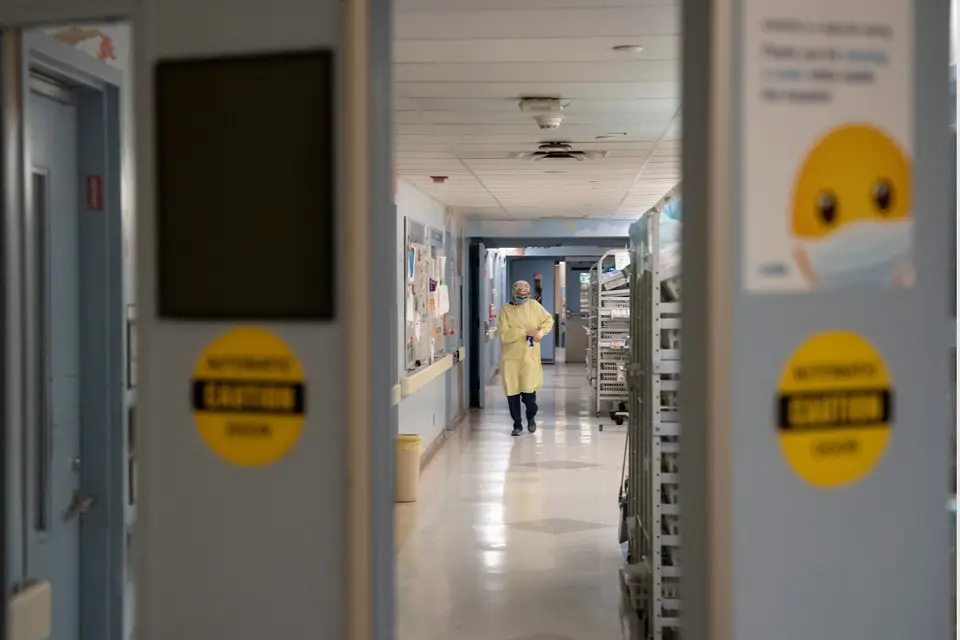
The Canadian Institute for Health Information released its annual report on the state of primary care in Canada for 2026 on Thursday.

'Some racialized Canadians report having their health concerns dismissed or not taken seriously because of their race, skin colour or where they come from'
A new report by the Canadian Institute for Health Information says people with low incomes and people who are Black or Latin American are less likely to have a primary-care provider. About six million people in Canada — including both…
Here is a roundup of stories from The Canadian Press designed to bring you up to speed …
Here is a roundup of stories from The Canadian Press designed to bring you up to speed … Low-income people less likely to have family doctor: report A new report by the Canadian Institute for Health Information says people with low…
Here is a roundup of stories from The Canadian Press designed to bring you up to speed … Low-income people less likely to have family doctor: report A new report by the Canadian Institute for Health Information says people with low…
Here is a roundup of stories from The Canadian Press designed to bring you up to speed … Low-income people less likely to have family doctor: report A new report by the Canadian Institute for Health Information says people with low…
Here is a roundup of stories from The Canadian Press designed to bring you up to speed … Low-income people less likely to have family doctor: report A new
Here is a roundup of stories from The Canadian Press designed to bring you up to speed … Low-income people less likely to have family doctor: report A new report by the Canadian Institute for Health Information says people with low…
TORONTO - A new report by the Canadian Institute for Health Information says people with low incomes and people who are Black or Latin American are less likely to have

Men, young adults and racialized groups are less likely to have access to a primary care doctor

Public Bluesky posts that link to these reports, counted once per account and report. Bluesky's users are not a cross-section of the public: this shows what is shared there. How we count
2posts from 2 accounts in the last 14 days
Who controls each outlet at the top of its chain of owners in Wikidata (CC0). Shareholders without a majority do not count.
Measured on the reports of the last 30 days of the 11 outlets here with at least 20 reports. Working habits, not verdicts: a correction note is good practice, and a wire copy can be accurate.
Reports they wrote themselves72%
Median share of each outlet’s reports that are not wire copies or near-copies of another report.
Headlines changed after publication17%
Median share of each outlet’s re-read reports whose headline changed later.
Pages removed after publication0%
Median share of each outlet’s re-read reports that were gone when read again.
Outlets with a correction note78%
Share of outlets that added a correction or editor’s note to at least one report.
Outlets that broke a story100%
Share of outlets that were first to report at least one story with three or more outlets.
Medians across outlets, so one big outlet does not stand for the rest; a side needs 3 outlets with the data (— when it has fewer). Each outlet's own numbers are on its source page. How we measure
How the 11 outlets here with data make money, from their own pages of the last 30 days and their ads.txt files. It says how, not how much.
Sell advertising100%
Outlets whose ads.txt file names companies allowed to sell their ad space, or whose pages carry ad code on at least a fifth of the pages read. Out of 11 outlets with the data.
Paywall or meter29%
Outlets whose reports say they are behind a paywall or meter on at least a fifth of the reports read. Out of 7 outlets with the data.
Ask readers to give or join22%
Outlets asking for donations, contributions or memberships on at least a fifth of their pages. Out of 9 outlets with the data.
Sponsored-link boxes11%
“Around the web” boxes of paid links (Taboola, Outbrain and the like) on at least a fifth of their pages. Out of 9 outlets with the data.
Links marked as paid11%
Links the outlet marks as paid placements (rel="sponsored": casinos, partners, advertisers) on at least a fifth of their pages. Out of 9 outlets with the data.
Commission links0%
Shopping links that pay the outlet a commission (Amazon Associates, Skimlinks and the like) on at least one page in twenty. Out of 9 outlets with the data.
State or public media0%
Outlets the State Media Monitor counts as state or public media: funded or controlled by a state, or both. Out of 11 outlets with the data.
Shares of the outlets with the data; a side needs 3 (— when it has fewer). Each outlet’s details are on its source page, and the coverage list can leave out outlets that sell advertising. How we read this
Reports per 1 hours, by side, from the first report on.
first report11 h later
1 report was edited without a headline change or note. Every change on this story





 Canada
 Winnipeg Free Press
 Lethbridge Herald
 SooToday.com
 Toronto Star