 South China Morning Post
 UK Defence Journal
Conflict · Politics
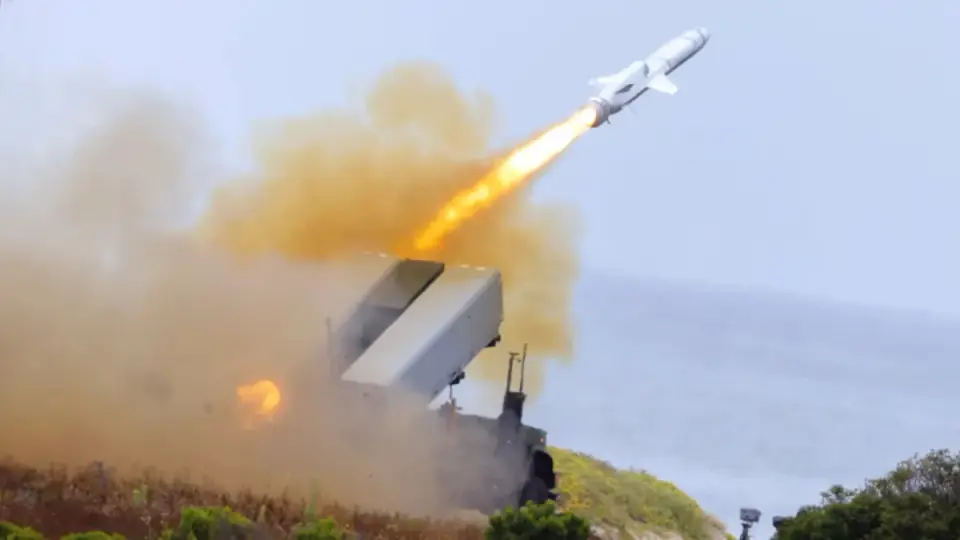
U.S. Marine Corps study extending Naval Strike Missile range from 250 km to over 500 km
3 outletslatest


Sunday, November 29, 2026
Sunday, November 29, 2026
Sunday, November 29, 2026
Conflict · Technology
Spectrum of the outlets0 rated
One entry per outlet; its other reports fold under it. 8 reports from 8 outlets.
Order:Latest reports firstIn the order outlets first reportedFrom left to rightA to ZOwn reporting first
The United States is a step closer to restoring atomic weapons to its attack submarines, with Raytheon announcing on Tuesday it has a US Navy deal to advance development of a nuclear-armed cruise missile – a capability Washington retired…
Other stories of the last two weeks on the same subjects, closest first.
Conflict · Politics
3 outletslatest
Ownership: Wikidata (CC0). Feed list partly from Kagi News (MIT). Spectrum estimates: Berkman Klein Center (CC BY 3.0); each country's own spectrum: Reuters Institute Digital News Report 2022 (CC BY 4.0). State and public media: State Media Monitor, MJRC (CC BY 4.0). Overviews are written by AI and checked by a second model; sections are set by AI.
© 2026 STORESWIKI LLC
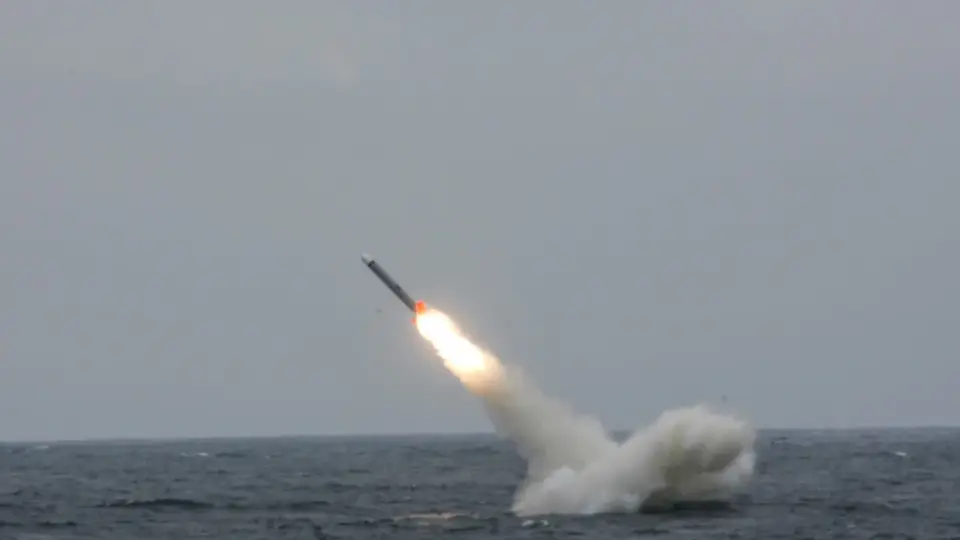
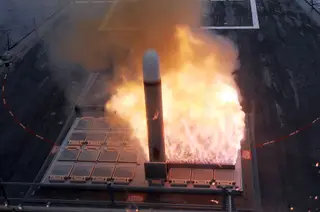
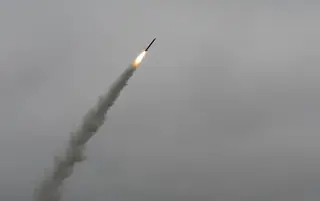
Raytheon will move the US Navy's submarine-launched nuclear cruise missile, SLCM-N, from concept work into a development phase ahead of prototype demonstrations.
 Zona MilitarUnrated
U.S. company Raytheon, part of the RTX group, was awarded a U.S. Navy contract to advance the development of the new SLCM-N nuclear cruise missile. The
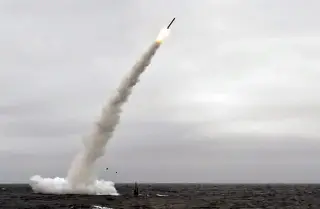
 Naval TechnologyUnrated
Raytheon has received a US Navy agreement to advance development of the Nuclear-Armed Sea-Launched Cruise Missile, or SLCM-N.
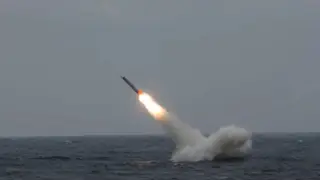
 The Defence BlogUnrated
Raytheon has won a U.S. Navy agreement to move its design for the Nuclear-Armed Sea-Launched Cruise Missile, or SLCM-N, out of early concept work and into a focused development phase, the company said Nov. 24. The deal is an Other
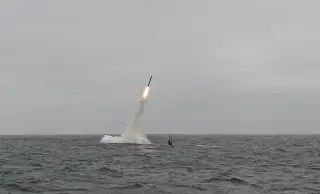
Raytheon, an RTX company, has been awarded a U.S. Navy Other Transaction Authority agreement to advance development of the Nuclear-Armed Sea-Launched
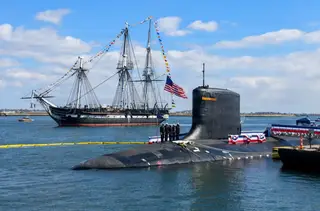
The U.S. Navy has awarded RTX’s Raytheon an agreement to move a submarine-launched nuclear cruise missile from early concept work into development.
Public Bluesky posts that link to these reports, counted once per account and report. Bluesky's users are not a cross-section of the public: this shows what is shared there. How we count
2posts from 2 accounts in the last 14 days
Who controls each outlet at the top of its chain of owners in Wikidata (CC0). Shareholders without a majority do not count.
Measured on the reports of the last 30 days of the 7 outlets here with at least 20 reports. Working habits, not verdicts: a correction note is good practice, and a wire copy can be accurate.
Reports they wrote themselves100%
Median share of each outlet’s reports that are not wire copies or near-copies of another report.
Headlines changed after publication0%
Median share of each outlet’s re-read reports whose headline changed later.
Pages removed after publication0%
Median share of each outlet’s re-read reports that were gone when read again.
Outlets with a correction note0%
Share of outlets that added a correction or editor’s note to at least one report.
Outlets that broke a story71%
Share of outlets that were first to report at least one story with three or more outlets.
Medians across outlets, so one big outlet does not stand for the rest; a side needs 3 outlets with the data (— when it has fewer). Each outlet's own numbers are on its source page. How we measure
How the 7 outlets here with data make money, from their own pages of the last 30 days and their ads.txt files. It says how, not how much.
Sell advertising86%
Outlets whose ads.txt file names companies allowed to sell their ad space, or whose pages carry ad code on at least a fifth of the pages read. Out of 7 outlets with the data.
Paywall or meter—
Outlets whose reports say they are behind a paywall or meter on at least a fifth of the reports read. Out of 1 outlet with the data.
Ask readers to give or join20%
Outlets asking for donations, contributions or memberships on at least a fifth of their pages. Out of 5 outlets with the data.
Sponsored-link boxes20%
“Around the web” boxes of paid links (Taboola, Outbrain and the like) on at least a fifth of their pages. Out of 5 outlets with the data.
Links marked as paid0%
Links the outlet marks as paid placements (rel="sponsored": casinos, partners, advertisers) on at least a fifth of their pages. Out of 5 outlets with the data.
Commission links0%
Shopping links that pay the outlet a commission (Amazon Associates, Skimlinks and the like) on at least one page in twenty. Out of 5 outlets with the data.
State or public media0%
Outlets the State Media Monitor counts as state or public media: funded or controlled by a state, or both. Out of 8 outlets with the data.
Shares of the outlets with the data; a side needs 3 (— when it has fewer). Each outlet’s details are on its source page, and the coverage list can leave out outlets that sell advertising. How we read this
Reports per 6 hours, by side, from the first report on.
first report95 h later
Outlets by the country they are based in, 4 in all.
Outlets placed by how their audience leans compared with the people of their own country, so a UK outlet is measured against UK politics, not American. The data
United States2 outlets · Berkman Klein Center, 2019
United Kingdom1 outlet · Reuters Institute, 2022
No audience research with a licence we can use yet for Hong Kong SAR China (1).
Headlines from outlets based outside United States, where most of the coverage comes from: one per outlet, in English where they were in another language (AI translation).
United Kingdom1 outlet
Hong Kong SAR China1 outlet
1 report was edited without a headline change or note. Every change on this story
 Terror response technology report
 Seeking Alpha